

Open a bottles of wine, ah, it’s not just an act; it’s a ritual. It’s that moment, like the turning of a page in a grand story, when the promise of a fine experience is made real. Whether it’s the start of a dinner party, a solitary indulgence, or a casual sip at the end of a long day, uncorking a bottle is a prelude to pleasure. And though it seems simple enough, there’s more to it than meets the eye. The method you choose, the tools you wield, each plays its part in ensuring that moment of liberation is smooth, efficient, and even a bit delightful. Let’s dive into the nuances of wine-opening and uncover the best practices to ensure both the wine and your experience remain intact.
The Wine Bottle: More Than Just Glass and Cork
Wine bottles aren’t one-size-fits-all. Oh no, each one is as unique as the wine it holds. There’s a variety of shapes, sizes, and closures to consider. Most commonly, you’ll find the classic cork—a humble hero made from the bark of the cork oak tree. It’s nature’s seal, designed to protect and preserve, allowing the wine to breathe, to mature, and to transform over time. Yet, the world of closures doesn’t stop at corks. Synthetic corks, with their durability and resistance to spoilage, and twist caps, beloved for their convenience and airtight seal, have emerged as worthy alternatives.
Each closure type has its own set of advantages and disadvantages, depending on the wine’s purpose. Natural corks are the gold standard for wines meant to age—those beautiful reds and delicate whites that need time to develop. Meanwhile, twist caps and synthetic corks often grace bottles intended for more immediate enjoyment. Knowing your bottle’s closure gives you the key to a smooth uncorking.
The Essential Tools for the Perfect Pour
A bottle opener is not just a tool; it’s your partner in this little dance of release. While there are plenty of methods for removing a cork, some tools stand out from the crowd, offering both precision and ease. The most basic of these is the corkscrew, a timeless classic. But if you’re seeking a little more flair, a wine key or a lever corkscrew (think Screwpull) might be your tool of choice.
Then there’s the winged corkscrew a playful and approachable option for those just getting started. And let’s not forget about the sleek, efficient twist caps that make life oh-so-easy. Whatever your choice, the right tool can make the difference between a seamless experience and a bottle-opening catastrophe.
Opening a Wine Bottle with a Corkscrew
The corkscrew is simple, reliable, and with a bit of old-world charm. To use it, start by removing the foil or any protective covering from the cork. Position the sharp spiral of the corkscrew at the center of the cork and begin twisting, slowly but surely, driving the spiral into the cork. You want the corkscrew to enter straight; no angle here, please. Keep twisting until the spiral is fully embedded, then gently begin pulling the cork upward.
If the cork resists, a little twist along with the pull might just do the trick. Patience is key—no one likes a broken cork. Once the cork comes free, you’re ready to pour and savor, the anticipation now giving way to indulgence. Cheers!
How to Open Wine Bottles with a Wine Key
A wine key is more than just a tool; it’s an experience in itself, favored by sommeliers and bartenders the world over for its blend of elegance and functionality. To use it, first cut the foil beneath the lip of the bottle using the small knife located on the back. Then, place the corkscrew at the center of the cork, just like with a corkscrew, and start twisting.
The real magic comes when you use the lever. Begin with the short arm to lift the cork slightly, then switch to the long arm for the final pull. This dual-arm approach minimizes effort and gives you ultimate control, preventing that moment when the cork breaks or the bottle tips over in an awkward struggle.
Using a Lever Corkscrew (Screwpull)
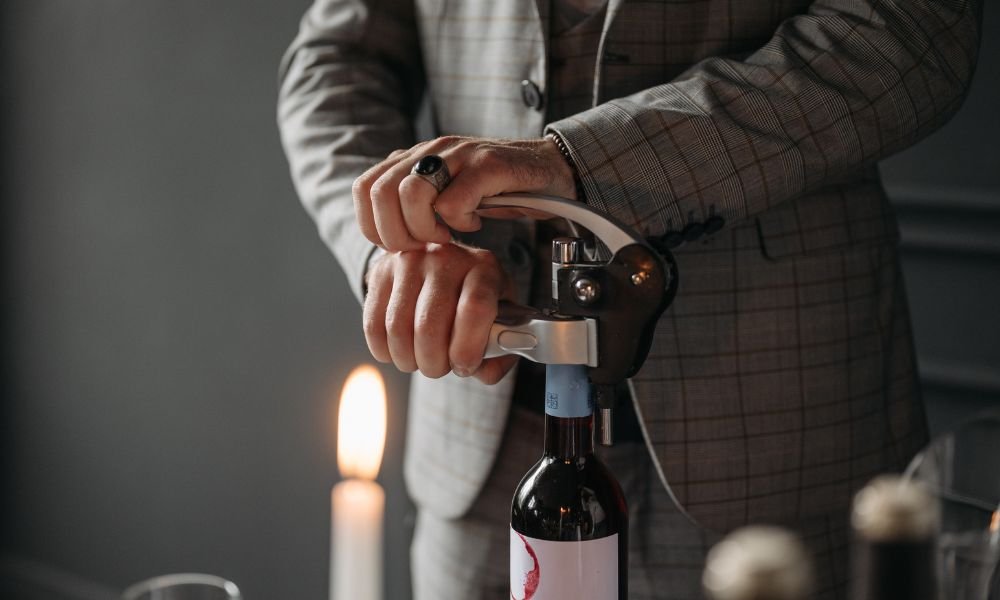
Enter the Screwpull: the hero of the hour for those who want to open wine with almost no effort. The lever corkscrew uses a dual-arm mechanism to grip the neck of the bottle, allowing the lever to slowly, effortlessly pull out the cork. Place the device over the neck, engage the arms, twist the handle to drive the screw into the cork, and then press the lever down. Before you know it, the cork slides out like it was never even there. Minimal effort, maximum results.
For those who regularly open bottles, or simply want a little luxury with their wine-opening, this is your go-to tool. It’s efficient, ergonomic, and perfect for occasions when you need to open several bottles quickly and without strain.
The Winged Corkscrew: Fun and Easy for Casual Drinkers
The winged corkscrew might just be the most charming of them all. With its two “wings” that lift as you twist the corkscrew in, it’s as if the cork is dancing its way out of the bottle. This tool is as easy to use as it is delightful to watch.
Twist the handle to drive the spiral into the cork, and when the wings rise, press them down. The force exerted by the wings is enough to pull the cork out in one simple motion. It’s quick, efficient, and perfect for anyone looking for an easy, enjoyable way to open their bottle without much fuss.
What to Do When You Don’t Have a Corkscrew
Stuck without a corkscrew? Fear not. There are ways to break the seal with a bit of creativity. One common solution? A sturdy shoe. Place the bottom of the wine bottle in the heel of the shoe and gently tap it against a wall. The cork will gradually begin to loosen, coming out without much force.
For a more makeshift approach, you can use pliers to grip the cork and pull, or if you’ve got a knife, carefully cut the cork in half (though this is riskier). While these methods can be fun and effective in a pinch, they should be considered last resorts, used only when there’s no corkscrew in sight.
Opening Wine Bottles with a Twist Cap
Some wines, especially those meant for immediate enjoyment, come with the simplicity of a twist cap. No need for any fancy gadgets here. Just grip the cap and twist it counterclockwise. Voila! Your wine is ready. While there’s nothing glamorous about it, the convenience of twist caps cannot be overstated. Quick, easy, and efficient, that’s all you need.
When the Cork Won’t Budge: Stubborn Bottles and How to Deal with Them
Every so often, you’ll encounter a cork that just doesn’t want to come out. Don’t panic. If your corkscrew doesn’t seem to be doing the trick, try gently wiggling it to loosen it. If that doesn’t work, use a little more force, but be careful, too much pressure and you might end up with cork pieces floating in your wine.
A bit of heat might help, too. Warm the neck of the bottle with water, or submerge it briefly in warm water. The heat will cause the cork to expand slightly, making it easier to pull out.
Proper Wine Storage After Opening
After the cork has been removed and the wine is flowing, what do you do with the leftovers? Proper storage is essential to preserving the quality of the wine. Always re-seal the bottle with the cork (or a wine stopper), and store it in a cool, dark place. Red wines can last a few days; white wines tend to have a shorter lifespan once opened. If you’re storing wine for an extended period, a fridge will slow down the oxidation process, helping to maintain the wine’s flavor and character.
How To Use A Cocktail Mixer
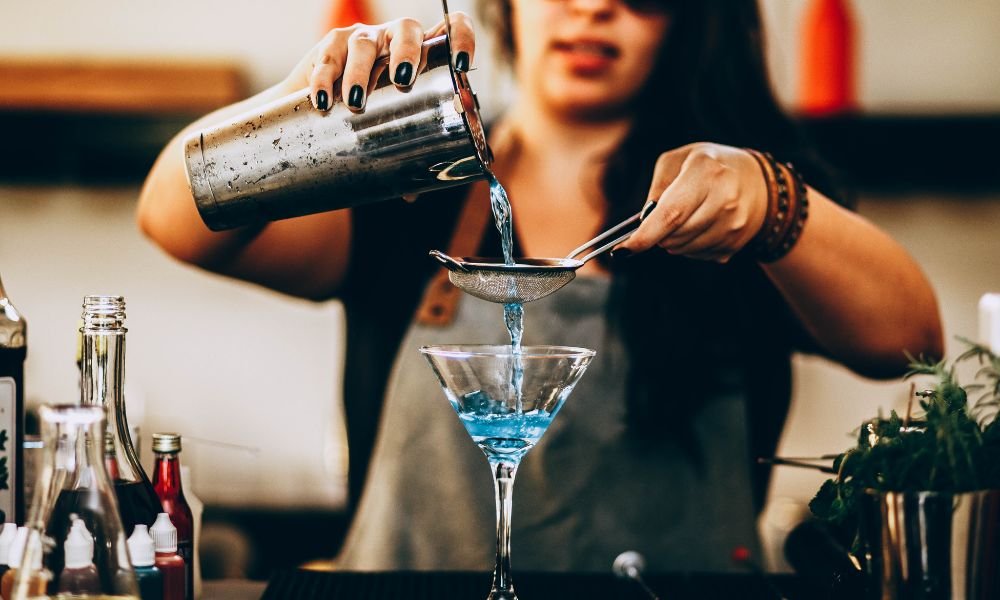
A cocktail mixer is essential for blending drinks to perfection. To use it, add your ingredients, secure the lid tightly, and shake or stir. The mixer helps combine ingredients evenly, ensuring your cocktails are smooth and well-mixed. Whether you’re making a classic margarita or a creative concoction, a cocktail mixer simplifies the process and enhances the flavor. It’s an ideal tool for both beginners and seasoned bartenders, delivering consistent, delicious results every time.
Conclusion
Opening a bottle of wine isn’t just a task; it’s a celebration of what’s to come. Whether you’re using a traditional corkscrew or a high-tech lever corkscrew, the method you choose can transform the experience. Emergencies and stubborn corks don’t have to ruin the moment; being prepared with the right tools and techniques can ensure that every bottle is opened with ease, grace, and a little bit of fun. So, the next time you’re ready to pop that cork, take a moment to appreciate the art behind the act—and the wine waiting to be savored.