

Cocktail mixers: the unsung heroes behind the bar, turning a simple liquid list into much more. Even a simple, unremarkable drink can become a work of art with the right techniques, whether that’s a classic mojito or a sophisticated gin fizz. Whether you want to play bartender at home or beyond, knowing how to use a cocktail shaker is essential for anyone looking to master the craft of mixing drinks. This guide walks you through the essentials—everything from the basics to more advanced techniques—so your cocktails always get noticed, whether you’re entertaining some friends or gearing up for a proper party.
What is a Cocktail Mixer?
Broadly speaking, a cocktail mixer is anything that helps move ingredients together to form a union that is a cocktail. It is more than just a tool for mixing; we consider this the key to balancing flavor, texture, and temperature for one of those not-boring drinks. Mixers vary in form, ranging from the classic shaker to the sophisticated stirring spoon to the virtually unstoppable electric blender. Mixers that need a good shake, a careful stir, or a quick mix into silky smooth. Purchasing a mixer is an art—it can raise a beverage from simply functional to heaven, as each factor works collectively perfectly.
Which Cocktail Mixer Should Beginners Use?
As a beginner, it can be overwhelming to sift through the long lists of cocktail mixers out there. The ideal mixer should be simple to use and should be more versatile to ease the selection process. Some of the most popular types of mixers are the cocktail shaker, stirring spoon, and the blender.
- Cocktail Shaker: Arguably the most adaptable and omnipresent, the shaker is the cornerstone of many a bartender’s kit. You have the Boston shaker set or two-piece set, and the cobbler shaker set or three-piece set, which are the two most common. Shakers can combine ingredients in a glass, so they work best for speedy and vigorous drinks—martinis and margaritas, for example.
- Stirring Spoon: Shake cocktails are usually demanding thorough blending, but we do the opposite for those requiring delicate handling. Stirring Spoon: Long and graceful, aka: the stirring spoon is used for gently mixing drinks like the Old Fashioned or Negroni, serving to chill the drink without imparting the excessive water (by way of melted ice) that would inevitably result from shaking.
- Blender: A blender is crucial if you plan to make cocktails that require silky, icy smooth textures, like frozen margaritas or piña coladas. With the ability to crush ice and blend ingredients into a creamy texture, blenders are perfect for icy, decadent recipes.
Essential Tools for Cocktail Mixing
Outside of the mixer, a few more tools will put you on the path to a perfect cocktail.
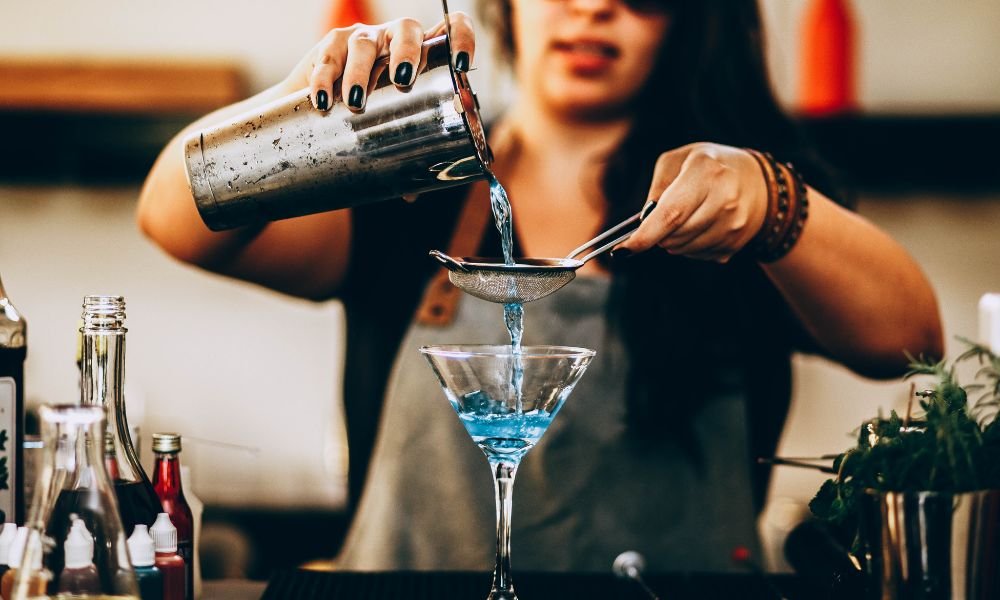
- Strainers: Ensures your drink has a clean, refined mouthfeel by filtering out solid bits like ice shards or fruit pulp. Hawthorne strainers are often used in tandem with a shaker, while fine mesh strainers are used to deliver a finer filter for more complex cocktails.
- Muddler: The muddler is essential for cocktails that require crushed herbs or fruit. This tool is used to softly mash ingredients, releasing essential oils and flavor profiles for cocktails, such as mojitos and caipirinhas.
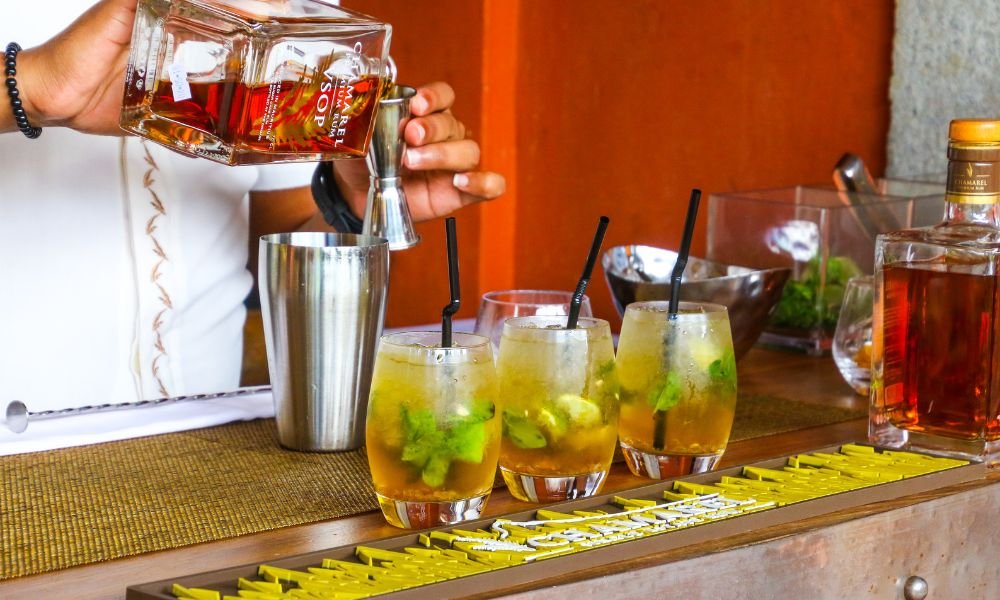
- Jigger for Measurement: When crafting cocktails, precision is critical, so a jigger (generally double-sided) is essential for having confidence that your proportions are correct and avoiding the see-saw of an unbalanced drink.
- Ice: This may sound basic, but your choice of ice can really change the game. Fine ice is best for very fast dilution, such as cocktails that need very quick and cold agitation, whereas a large cube is ideal for more cocktail types, particularly for stirred drinks to ensure slow melting.
A Guide to the Cocktail Mixer Step by Step: How to Use
When it comes to a cocktail mixer, while it might seem simple, certain techniques can help you take your drink-making up a notch. Getting it ready is the secret, whether shaking or stirring.
- Select a Recipe: Choosing a cocktail that tickles your fancy, or perhaps fits an occasion you are attending. Whether you do the classic one or have your own mixture, it needs teaching, so make sure you mix supplies maintainable.
- Get Your Ingredients Ready: Measure your spirits, mixers, syrups, and anything else you want to mix in, including bitters. A jigger ensures that you achieve the right ratios.
- For Ice: The amount and type of ice depend on your beverage. Fill the shaker halfway with ice for shaken cocktails. For stirred drinks, put ice into the mixing vessel.
- Shake or Stir: If you are making a shake, seal the shaker, and shake it for 15–20 seconds, making sure that everything is mixed and cooled. For stirring, using a long spoon, give the drink a gentle stir for 30 seconds while ensuring the texture remains smooth and balanced.
- Mix & Strain: Allow the ingredients to mingle with each other for a moment before straining into the glass. Certain cocktails are one way, such as the martini, which is served in a chilled glass, although some cocktails benefit from being served over fresh ice.
Creating Garden-Inspired Cocktails
If you have a significant bounty of fresh herbs, fruits, and flowers from your garden, then you can easily add a twist to some classic cocktails. Not only do garden-inspired drinks boost flavor, but they also help to personalize your drink creations.
- Herbal Cocktails: Mint, basil, or other herbs can add a fresh layer of complexity to cocktail drinks. Envision a mojito made with freshly plucked mint (the fresh aroma released comes through in the drink) or gin and tonic with a sprig of thyme—these herbs add a component of refreshing vibrancy and fragrance to what you are drinking.
- Floral cocktails — Floral edible — contribute a subtle, aromatic flavor to cocktails — consider using lavender, hibiscus, and chamomile. Floral syrups or petals can take a drink from basic to a sensory experience of being in a full-blooming garden.
- Fruit Cocktails: Seasonal fruits such as berries, citrus, or stone fruits can be muddled or juiced, adding a natural sweetness to your cocktails and bright color. Using fresh, local produce brings authenticity and depth of flavor.
Ensuring That Cocktails Are Mixe Perfectly
It is an art to have your cocktails set at the right balance. Careful measurements can not overtake a flavor. Jiggers help control the ratios of spirits, mixers, syrups, and garnishes. One wrong measurement and the whole drink is thrown off balance. In a more complex cocktail, some elements will shine over others, and you’ll likely be introducing sweetness, bitterness, or spirit; for that reason, we recommend sticking fairly rigorously to recipes unless thus defined by the creators themselves.
Mistakes to Avoid in Mixing Cocktails
Even the most seasoned mixologist can commit some of these standard blunders. Stay clear of these traps and let your cocktails shine, absolutely every time.
- Over Shake: Shaking too hard or for too long will dilute the drink and risk ruining delicate flavours. Do not exceed the time provided for each recipe.
- Under-Stirred — If you don’t stir long enough, you leave the ingredients unevenly mixed, leading to an unbalanced drink. Your stirred cocktails need time to mix.
- Inaccurate ice: Having the wrong kind of ice can destroy your cocktail’s chill and also dilution ratios. Use regular cubes if you’re stirring; use crushed ice for shaken drinks.
Using a Cocktail Mixer For Parties
Cocktail mixers are the art of making celebratory drinks for rare occasions. Regardless of whether it’s a bash for that birthday celebration, a holiday party, or even a summertime BBQ, your mixer can help you get noticed by putting out a big batch of senses.
Think of cocktails that are bursting with color, using seasonal ingredients from your garden, maybe fruits like berries or citrus. A signature drink crafted specifically for your event can be a memorable endnote that stimulates discussion amongst your guests long after the party has finished.
Advanced Cocktail Mixer Techniques
Once you get the basics down, there are some pro tips to really elevate your cocktails.
- Infusions – Blending herbs, spices, or even fruit into your spirits will give extra depth to your beverages. For example, gin infused with lavender or rum spiced with cinnamon can build delightful aromatic notes.
- Syrups: You can make your own syrups from fruits, herbs, or spices to add sweetness and complexity to your cocktails.
- Clarifying cocktails: The process whereby experienced bartenders strain out solids to make cocktails crystal clear and silky-smooth textured.
Maintaining Your Cocktail Mixer
Maintaining the Quality of Your Drinks. One good mixologist can work miracles (and many cocktails) for your entire life. Make sure to wash it well every time you use it, especially with crushed fruits or sticky syrups. Keeping it regularly maintained means that your mixer will continue to be in top shape without any old residue that could affect your next drink.
Cocktail Mixer vs. Other Tools
Not all drinks need a cocktail shaker. Spirits like whiskey, neat or wine, do not require incorporation. For cocktails that require precise flavor combinations, however, a mixer is necessary. In cocktails served shaken or stirred with ice, shaking or stirring ensures the right quality. Blenders are great for frozen drinks, but a muddler is your go-to for bringing the flavors of fresh herbs and fruits out.
Conclusion
Mixing cocktails at home may as well be the most-used talent in the home bartender’s toolbox. With the basics of tools and techniques for your bar, your cocktails will always be perfect, whether you are just starting or you are a pro mixologist. With a few fresh ingredients from the garden and some attention to detail in the mixing, you can craft drinks that are not only delicious but distinctly your own. So grab your spices, pick out your favorite recipe, and shake, stir, or blend away!!